What Utilities Are Needed for beer brewing equipment?
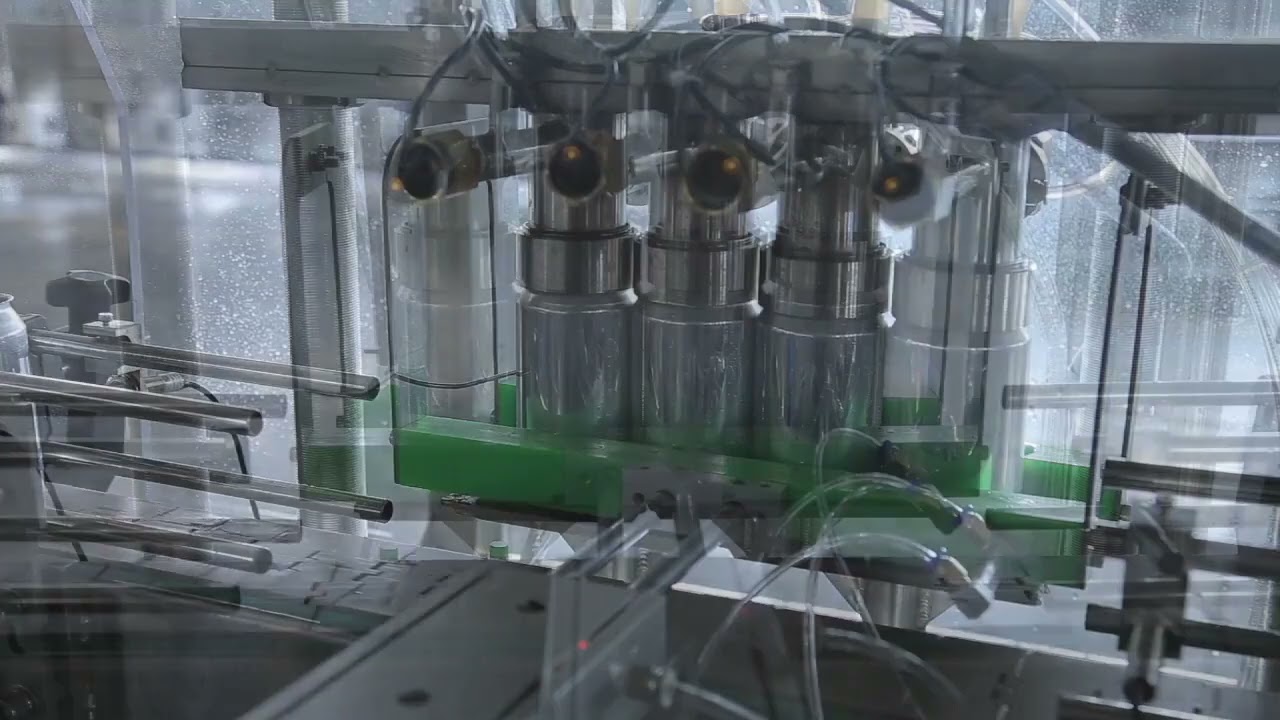
Beer brewing systems typically require potable process water, heating energy, chilled glycol, electricity, compressed air, CO₂, drainage, and vapor ventilation. A 10-barrel brewhouse may use several thousand liters of water per brew when brewing, cleaning, and rinsing are combined. Steam systems often operate around 1–3 bar at the equipment connection, while fermentation cooling commonly uses glycol near -4°C to 0°C. Electrical service must be sized for simultaneous loads from pumps, refrigeration, packaging, controls, and heating. Water treatment may include carbon filtration, softening, or reverse osmosis, depending on source-water chemistry. Utility sizing should be based on peak flow, pressure, temperature, and connected load rather than average daily consumption.
A brewery starts with water because water is used in mashing, sparging, yeast handling, vessel rinsing, cleaning, packaging, and sometimes cooling. A brewery producing 1,000 L of packaged beer may use several times that volume of incoming water once cleaning and sanitation are included. Industry water-use figures vary widely, with well-managed breweries often targeting ratios below 5 L of total water per 1 L of packaged beer, while less efficient facilities can be considerably higher. Actual usage depends on cellar layout, CIP procedures, recovery systems, and packaging.
Water chemistry also affects brewhouse performance. Calcium, magnesium, sulfate, chloride, alkalinity, pH, iron, and chlorine should be reviewed before equipment is selected. Municipal water in the United States can vary substantially by location, and breweries may use reverse osmosis when they need a low-mineral starting point. In a 2024 brewery water assessment, even modest changes in cleaning frequency can alter daily water demand by hundreds or thousands of liters, so utility calculations should include real production schedules rather than a nominal tank volume.
A 10-barrel brewery should not size its water service from the 10-barrel brewhouse volume alone; hot liquor production, vessel rinsing, CIP, floor cleaning, packaging, and simultaneous filling can all occur within the same operating period.
Water temperature is another service requirement because many breweries maintain a hot liquor tank for brewing and cleaning. Mash-in water may be around 65–72°C, while many cleaning steps operate at much higher temperatures depending on the chemical program and equipment material. If a brewery needs 1,500 L of hot water raised from 15°C to 75°C, the water alone requires about 94 kWh of thermal energy before vessel and piping losses are added. Heating efficiency therefore affects boiler, burner, or electric-element sizing.
The heating source normally comes from steam, direct gas firing, or electricity. Steam-heated brewhouses often use jacketed vessels because heat can be distributed over a large surface area without direct flame contact. A steam system may also supply hot-water generation and other plant equipment, so boiler selection should account for simultaneous users rather than kettle demand alone.
| Utility | Typical brewery use | Parameters to check |
|---|---|---|
| Process water | Mashing, sparging, cleaning | Flow, pressure, chemistry |
| Hot water | Brewing, CIP, rinsing | Temperature, recovery rate |
| Steam/gas/electricity | Wort heating, hot water | Peak thermal output |
| Glycol | Fermentation, cold crashing | Chiller capacity, flow |
| Electricity | Pumps, controls, refrigeration | Voltage, phase, peak kW |
| Compressed air | Valves, fillers, washers | Pressure, SCFM, air quality |
| CO₂ | Purging, carbonation, transfer | Pressure, storage, flow |
| Drainage | CIP, dumping, washdown | Peak discharge rate |
| Ventilation | Kettle vapor, room heat | Airflow, exhaust capacity |
Electrical demand becomes more complex as the brewery adds refrigeration and packaging equipment. A small brewhouse may have a moderate connected load, but a larger facility can operate several pumps, agitators, glycol compressors, hot-water heaters, conveyors, canning equipment, and controls at the same time. Three-phase power is common for commercial motors and refrigeration systems. A system designed in 2025 should also leave practical spare capacity for future tanks or packaging equipment rather than filling the electrical panel to its maximum rating on day one.
Fermentation creates a separate cooling requirement. Jacketed fermenters normally use chilled glycol circulated by a pump from a glycol reservoir and refrigeration unit. Heat generated during fermentation can be substantial, and crash cooling can create a much larger short-term refrigeration demand than temperature maintenance. For example, cooling 2,000 L of beer by 15°C represents roughly 30,000 kcal of sensible heat removal, before vessel and ambient heat gains are included.
Glycol temperature is often maintained below the desired beer temperature, commonly around -4°C to 0°C in many commercial systems, although the exact set point depends on glycol concentration and the brewery process. If four fermenters can crash-cool simultaneously, sizing a chiller for only one tank can produce long cooling times. Equipment suppliers should receive tank volume, insulation details, target temperatures, ambient temperature, and expected cooling time before confirming chiller capacity.
Wort cooling adds another demand because hot wort leaving the kettle must be reduced to yeast-pitching temperature quickly. Plate heat exchangers commonly use cold water, chilled water, or a combination of water and glycol. In a typical 2023 design, the exchanger may need to remove several hundred megajoules of heat during a single brew, depending on batch size and wort temperature.
Cooling-water temperature changes throughout the year, so a plate heat exchanger that performs adequately with 8°C water may require a different flow rate or larger surface area when summer supply water reaches 18–22°C.
Compressed air becomes more important once the brewery includes automated valves and packaging machinery. Pneumatic actuators, keg washers, fillers, canning lines, labeling systems, and control devices may all use compressed air. Pressure requirements often fall around 6–8 bar at the machine inlet, but actual consumption depends on actuator size, cycle frequency, and simultaneous users.
Air quality also matters. Product-contact applications may require filtration and drying appropriate to the equipment specification, while ordinary pneumatic controls may have different requirements. A compressor rated for average consumption can still be inadequate when several machines cycle at the same time. For a packaging line operating 60 cans per minute, even a short pressure drop can interrupt filling or seaming.
CO₂ is used for carbonation, tank purging, pressure transfers, and packaging. Demand depends on beer volume, tank geometry, purge method, and packaging equipment. A brewery that relies heavily on CO₂ purging can consume much more gas than one using a recovery system. CO₂ piping, regulators, valves, and storage equipment should be rated for the intended pressure, while storage capacity should match supplier delivery intervals.
Ventilation belongs in the same utility plan because boiling wort generates large quantities of steam. A kettle operating for 60–90 minutes can release a substantial volume of water vapor into the brewhouse if the vapor is not captured or condensed. Gas-fired equipment also requires combustion air and suitable exhaust. In facilities built during the 2020s, ventilation calculations should account for kettle vapor, room heat, refrigeration equipment, and personnel loads rather than relying on general-purpose building ventilation.
Drainage deserves the same level of attention as water supply. Breweries often discharge hot water, caustic cleaning solution, rinse water, yeast slurry, beer residues, and other process liquids. A drain system may handle several liters per second during vessel discharge or CIP. A daily wastewater volume can look reasonable on paper while the actual peak flow still exceeds the capacity of the floor or trench drains.
Wastewater temperature and pH may also be controlled before discharge. CIP solutions can be highly alkaline or acidic, and many jurisdictions set discharge requirements for pH, temperature, suspended solids, or biochemical oxygen demand. Brewery design reviews carried out in 2024 commonly included wastewater management alongside plumbing and process-equipment plans because drainage changes are difficult to make after floors and vessels are installed.
Cleaning systems combine many utilities at one time. A CIP skid may require heated water, chemical dosing, high-flow pumps, electricity, return lines, and drainage. Effective cleaning depends on temperature, chemical concentration, flow velocity, and contact time, so the brewery must provide enough utility capacity for the chosen cleaning procedure.
The same principle applies to Beer Production Equipment. Brewhouses, fermentation tanks, bright beer tanks, CIP units, keg washers, and packaging systems should be reviewed as one connected utility network. Equipment drawings should identify every connection, not only the main inlet and outlet.
A practical utility schedule can use the following format:
-
Water: connection size, pressure, peak L/min, temperature, treatment requirement
-
Electricity: voltage, phase, frequency, connected kW, maximum current
-
Heating: steam pressure, gas flow, or electric kW
-
Cooling: glycol temperature, flow rate, refrigeration capacity
-
Air: pressure, SCFM, dew point, filtration level
-
CO₂: inlet pressure, peak flow, storage arrangement
-
Drainage: pipe diameter, slope, peak discharge, temperature
-
Ventilation: exhaust rate, makeup-air requirement, vapor handling
In a brewery expansion, spare capacity should be documented numerically. If the installed electrical load is 180 kW and the forecast expansion adds 50 kW, the incoming service, transformer, switchgear, and distribution should be reviewed against at least that combined demand. The same approach applies to water mains, glycol headers, steam generators, and compressed-air systems.
Utility design also affects production scheduling. If a 20-barrel brewhouse requires 90 minutes to heat and the hot-water system needs another 60 minutes to recover, the equipment may have sufficient nominal capacity but still limit the number of brews per day. A 2022 production study of small commercial breweries found substantial differences in resource use between facilities with similar batch sizes because cleaning frequency, recovery practices, and cellar scheduling varied.
For operators comparing brewing systems, supplier utility sheets should be checked against actual site conditions before purchase. A machine requiring 208–240 V three-phase power cannot simply be connected to a site with a different service arrangement, and a chiller specified for 35°C ambient conditions may perform differently in a warmer or poorly ventilated mechanical room.
A useful commissioning check covers pressure, temperature, flow, electrical load, pump rotation, refrigeration performance, drainage, and controls under real operating conditions. Testing utilities with all intended equipment operating at once is more informative than checking each machine separately. For a 1,000 L production system, measuring water flow and electrical demand during a complete brew-and-clean cycle can reveal service limitations that individual nameplate checks do not show.
The finished brewery should therefore be treated as a combined process system. Water supply affects brewing and cleaning; heating capacity affects hot-water recovery; refrigeration affects fermentation and tank turnaround; electrical capacity affects nearly every motor and control system; compressed air and CO₂ support automation and packaging; drainage and ventilation determine how safely and effectively the facility handles heat, vapor, and wastewater. A utility schedule built around real peak demand, measured operating conditions, and planned expansion gives equipment suppliers and contractors the information needed to size the installation correctly.